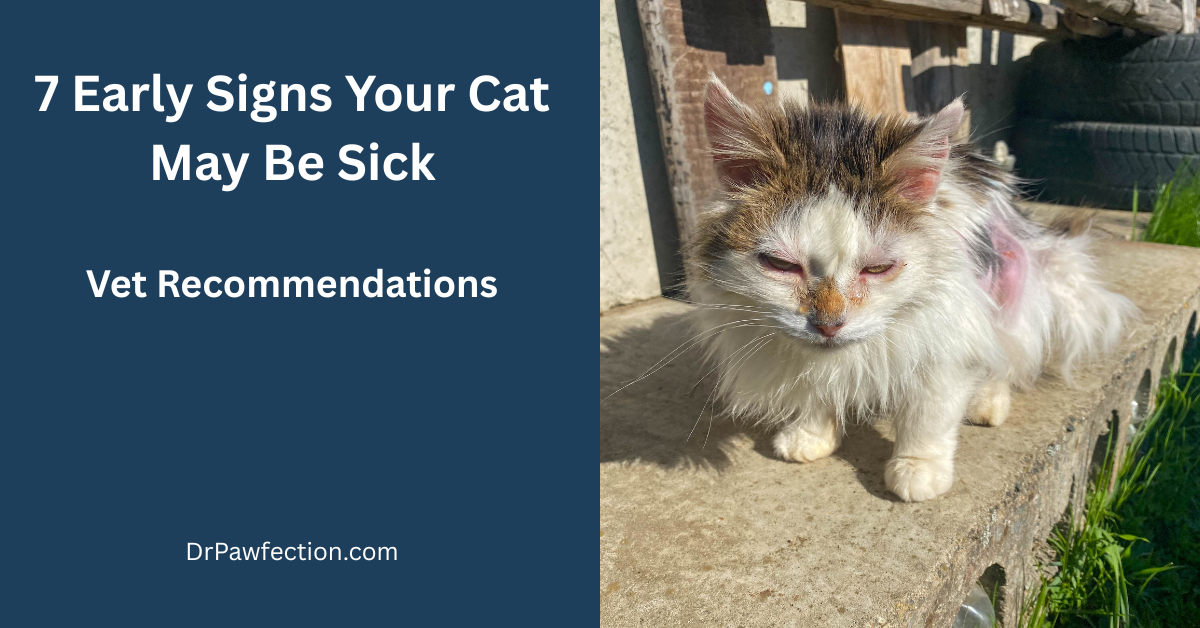
Cats are masters at hiding illness — which is why spotting the early signs your cat is sick can make a significant difference to their outcome. This isn’t stubbornness; it’s an evolutionary survival mechanism. In the wild, showing weakness attracts predators, so cats instinctively mask pain and disease, often until a condition is quite advanced.
📺 Watch: I cover this in detail in the video below.
1. Hiding More Than Usual
All cats have favourite quiet spots, and this is completely normal. What’s significant is a change — a cat that suddenly starts spending most of their time hidden away, avoiding contact they previously enjoyed. Cats instinctively withdraw when they feel vulnerable. If your normally sociable cat has become reclusive, take it seriously.
2. Reduced Appetite
A cat missing one meal occasionally isn’t usually a cause for alarm. Two consecutive days of significantly reduced appetite warrants attention. Unlike dogs, cats cannot safely go without food for extended periods — prolonged anorexia in cats can lead to a serious condition called hepatic lipidosis (fatty liver disease) within days.
3. Drinking More Water Than Usual
Increased thirst in cats — known as polydipsia — is one of the most clinically significant early warning signs I look for. It is frequently the first observable symptom of diabetes, kidney disease, and hyperthyroidism, all of which are very manageable when caught early. If your cat has started visiting the water bowl more frequently, or seeking water from unusual sources, a vet check is warranted.
4. Changes in Litter Box Habits
Any change in how your cat uses the litter box deserves attention. This includes urinating more or less frequently than usual, straining to urinate, producing small amounts of urine repeatedly, blood in the urine, avoiding the litter box, or vocalising while in the tray. In male cats especially, straining to urinate is an emergency — a urinary blockage can become fatal within 24-48 hours.
5. Reduced Activity or Lethargy
A cat sleeping more than usual or showing less interest in activities they previously enjoyed — play, exploring, greeting you at the door — can be an early sign of pain, fatigue, or systemic illness. This is frequently dismissed as ‘just getting old’ in senior cats, when it is often a treatable medical condition.
6. Increased Hunger Despite Stable or Declining Weight
A cat that seems ravenously hungry yet isn’t gaining weight — or is actually losing weight — is showing a classic sign of hyperthyroidism. This condition is common in cats over 10 years old and very manageable when diagnosed. Weight loss of any kind in a cat warrants investigation, as gradual loss is often only noticed in retrospect.
7. A Dull, Unkempt, or Greasy Coat
Cats are dedicated self-groomers. When a cat stops grooming adequately, it’s usually because something is physically or emotionally wrong — pain, nausea, dental discomfort, or systemic illness. A dull, matted, or greasy coat that represents a change from your cat’s normal appearance is worth investigating. Equally, overgrooming — patches of missing hair — can indicate skin disease, pain, or significant anxiety.
How to Act on Early Signs Your Cat Is Sick
When to See a Vet
Any single one of these signs that persists for more than 48 hours warrants a vet appointment. Multiple signs together, or any sign alongside a change in demeanour, should be assessed sooner.
Early detection gives your vet the best chance of successful treatment and a faster recovery for your cat.
⚠️ See a vet urgently if your cat is: not eating for 24+ hours, vomiting repeatedly, straining to urinate, breathing with mouth open, or has become suddenly lethargic.
📋 Use the free Dr Pawfection Cat Health Checklist to monitor these signs at home daily. Early detection consistently leads to better outcomes.

Dr Jason Arlaud BVSc, B.Sc., M.Rep.Sci is a practising veterinarian with over 20 years of clinical experience treating dogs, cats, and small animals. He created Dr Pawfection to give pet owners access to reliable, vet-quality health advice they can use at home to keep their pets healthier for longer.
Leave a Reply