This post contains affiliate links. As an Amazon Associate I earn from qualifying purchases, at no extra cost to you.
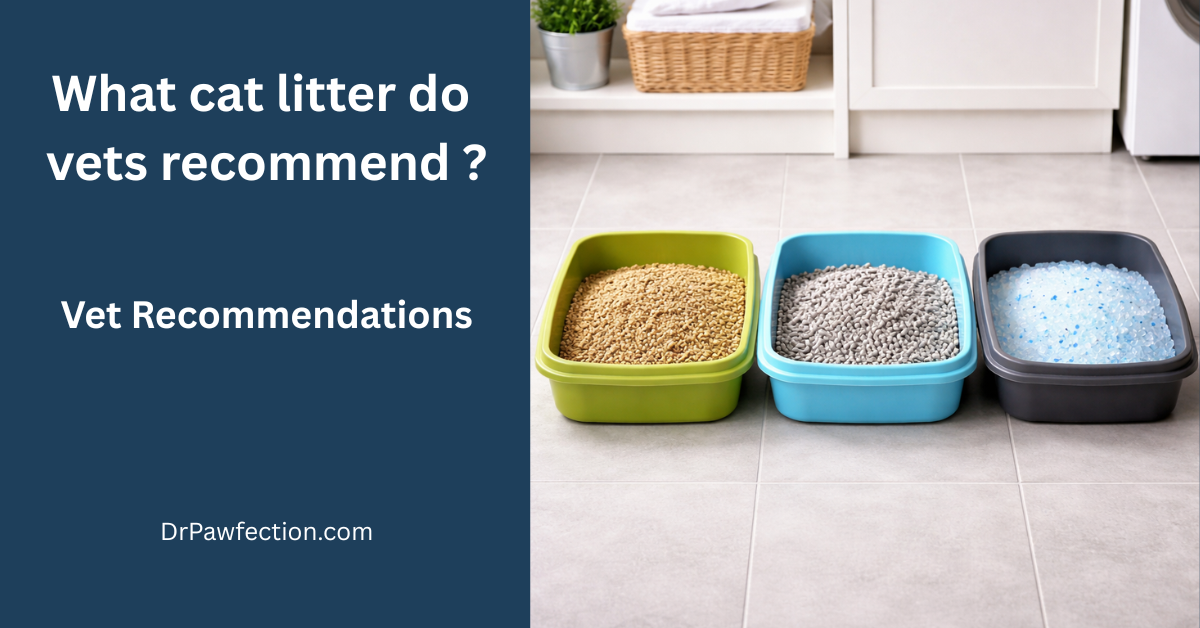
What type of cat litter do vets recommend? With dozens of products on the market — clumping, crystal, paper-based, wood pellet, scented, unscented — the choice can feel overwhelming. As a veterinarian, I’m frequently asked this question. The answer is fairly clear, and the evidence behind it is consistent.
The Short Answer: Unscented, Fine-Grained Clumping Litter
The majority of cats, when given a choice in preference testing, consistently choose fine-grained, unscented clumping litter. This mimics the texture of soft soil or sand — the natural substrate cats would choose in the wild. For most cats, this type of litter minimises avoidance behaviour and maximises consistent litter box use. For most cats, World’s Best Cat Litter is a consistently well-reviewed unscented clumping option.
Why Clumping?
Clumping litter forms solid clumps when wet, making it easy to scoop individual waste deposits without replacing all the litter. This means the box stays cleaner between full litter changes, and the remaining litter retains less odour. Daily scooping of a clumping litter is significantly more effective at maintaining acceptable conditions than non-clumping alternatives.
From the cat’s perspective, clumping litter also stays drier underfoot, which most cats prefer.
Why Unscented?
Scented litters are designed to appeal to owners. From a cat’s perspective, the strong artificial fragrance is often aversive. Cats have approximately 200 million scent receptors compared to a human’s 5 million — a scent that seems mild to us can be overwhelmingly strong to a cat.
In my clinical experience, switching from a scented to an unscented litter resolves litter box avoidance in a meaningful number of cases. If your cat has been inconsistent with litter box use and you use a scented product, this is one of the first things I’d change.
What About Crystals?
Silica crystal litters have excellent odour control and very low dust, which makes them a good option for cats with respiratory sensitivities or owners with asthma. However, many cats find the texture uncomfortable underfoot, particularly if they prefer a softer substrate. If your cat is using a crystal litter without issue, there’s no reason to change. If you’re introducing litter for the first time, I’d start with a fine-grained clumping litter and switch only if needed.
What About Paper and Wood Pellet Litters?
These are frequently recommended after surgery or declawing (note: declawing is illegal in many countries, including Australia) because they are soft and non-abrasive. They are not typically the first choice in preference testing, but some cats do use them without issue. Wood pellet litters in particular have low odour when fresh but deteriorate quickly once wet. If you’re looking for a low-dust natural alternative, FUKUMARU Tofu Cat Litter is a popular option worth considering.
Can I Change Litter Types?
Yes, but gradually. An abrupt change in litter type is one of the most common triggers for litter box avoidance that I see in practice. Cats develop strong substrate preferences, and a sudden change can cause them to reject the box entirely. To transition to a new litter, mix it in gradually over 7-14 days, increasing the proportion of new litter each time you change the box.
Dust and Respiratory Considerations
Some clay-based clumping litters produce significant dust, which can be an issue for cats with asthma or respiratory conditions, and for owners as well. Low-dust formulations are available and worth choosing, particularly for cats with any known respiratory sensitivity.
Summary: What Type of Cat Litter Do Vets Recommend?
- First choice for most cats: fine-grained, unscented clumping clay litter
- Good alternative for respiratory sensitivities: low-dust crystal litter
- Post-surgical use: paper-based litter
- Avoid: heavily scented litters, coarse or large-pellet litters for cats showing any avoidance behaviour
Once you find a litter your cat accepts and uses consistently, stick with it. Cats don’t like change, and what works is worth keeping.
📋 Download the free Dr Pawfection Cat Health Checklist — including daily litter box monitoring — to keep track of any changes in your cat’s habits.

Dr Jason Arlaud BVSc, B.Sc., M.Rep.Sci is a practising veterinarian with over 20 years of clinical experience treating dogs, cats, and small animals. He created Dr Pawfection to give pet owners access to reliable, vet-quality health advice they can use at home to keep their pets healthier for longer.
Leave a Reply