This post contains affiliate links. As an Amazon Associate I earn from qualifying purchases, at no extra cost to you.
How many litter boxes does a cat need? It seems like a simple question but it has a surprisingly important answer. Getting the number right is one of the most effective things you can do to prevent litter box problems — and one of the things most cat owners get wrong.
The Veterinary Guideline: N+1
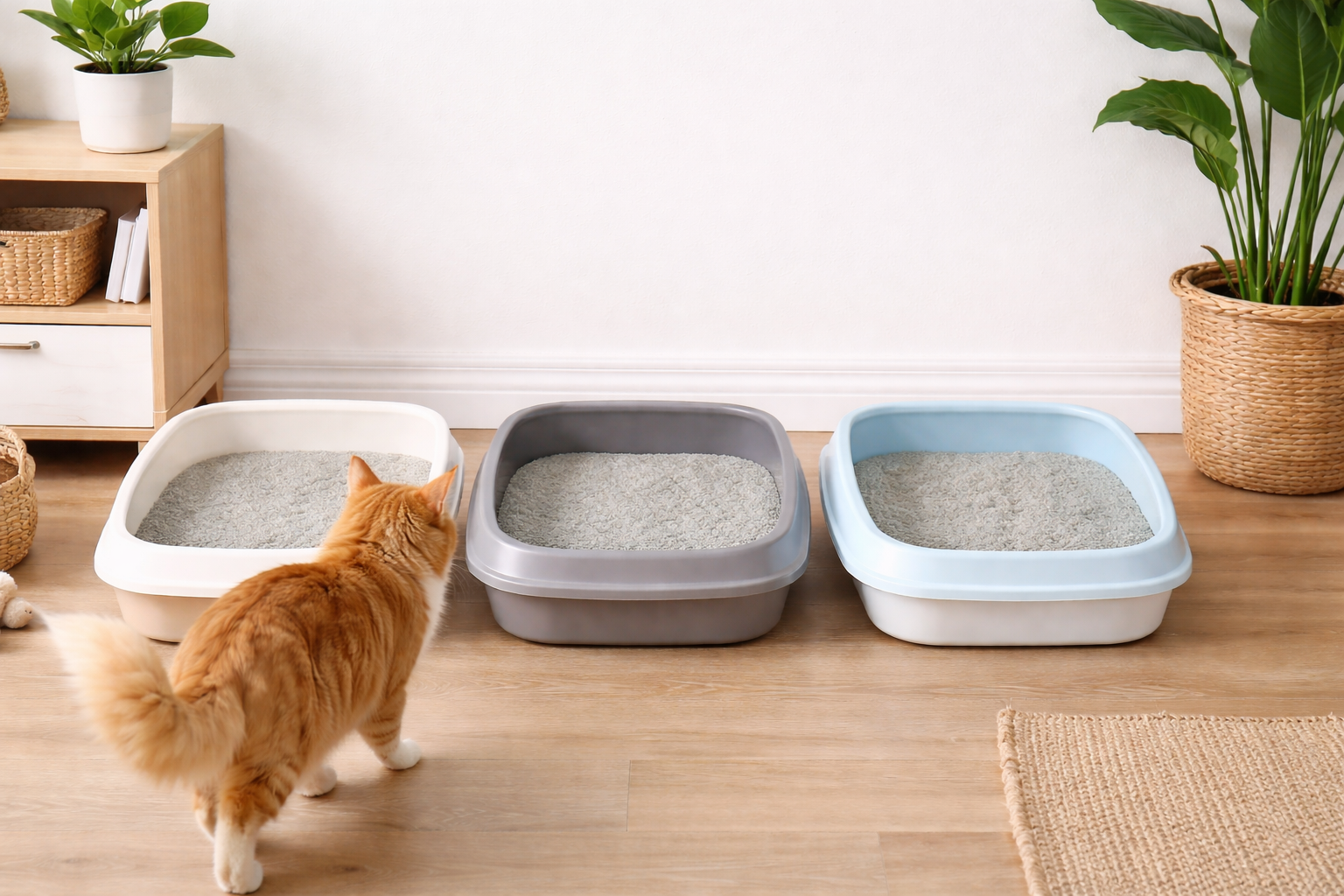
The standard recommendation from veterinary behaviourists is one litter tray per cat, plus one additional tray. This is sometimes called the N+1 rule.
- 1 cat → 2 litter trays
- 2 cats → 3 litter trays
- 3 cats → 4 litter trays
- And so on
In my experience in clinical practice, applying this rule alone resolves a significant number of inappropriate urination cases — particularly in multi-cat households.
For a practical option that works for most households, the Arm & Hammer Large Sifting Litter Box is a popular choice that makes daily scooping easier.
Why Do Cats Need More Than One Tray?
There are several reasons the N+1 rule exists. First, cats are fastidious animals. A litter tray that has been recently used — even if it will be cleaned shortly — is often not acceptable to another cat, or sometimes even the same cat. Having additional trays ensures a clean option is always available.
Second, in multi-cat households, one cat may guard access to the litter tray. This is a common source of tension that owners often don’t notice, because it tends to happen at night or when the household is quiet. A subordinate cat who is being blocked from the tray will often find somewhere else to go.
Third, some cats prefer to urinate in one tray and defecate in another. This is entirely normal cat behaviour. If you only have one tray, you’re forcing a preference your cat may not naturally have.
How Many Litter Boxes Does a Cat Need — Does Location Matter?
Significantly. Multiple trays in a single location essentially function as one tray from a cat’s perspective. The trays should be spread across different areas of the home, ideally one on each floor.
Good placement guidelines include:
- Quiet areas with low foot traffic
- Locations with more than one exit route — cats don’t like to feel cornered
- Away from food and water bowls
- Away from noisy appliances (washing machines, dryers)
- Accessible to all cats in the household without one cat being able to block entry
What About Older or Arthritic Cats?
The question of how many litter boxes does a cat need becomes even more critical as your cat ages. For older cats, the placement of litter trays is even more important. Arthritis is extremely common in cats over 10 years old, and many owners don’t realise their cat is affected because cats are very good at hiding pain. A cat with sore joints may not want to climb stairs to reach a litter tray, or may struggle to step over a high-sided tray.
For older cats specifically, I recommend at least one tray on each floor, with low entry points so they can step in and out easily. The Ying Tutu Extra Large Low Entry Litter Box is specifically designed with a low entry point to minimise discomfort for arthritic cats.
How Often Should Trays Be Cleaned?
At minimum, trays should be scooped once daily. Most cats produce urine 2-3 times per day and defecate once per day. Even with daily scooping, a single tray in a single-cat household is being asked to stay acceptably clean for 3-4 uses before cleaning. Adding a second tray immediately reduces this pressure.
Full litter changes should happen at least weekly, with the tray itself washed with mild unscented enzyme based detergent. Avoid strongly scented cleaning products — cats have a significantly more powerful sense of smell than humans and may avoid a tray that smells of chemicals. Do not use bleach to clean litter trays or areas where inappropriate urination has occurred. Bleach smells to cats like another cat and may lead to an increase in anxiety in your cat.

Dr Jason Arlaud BVSc, B.Sc., M.Rep.Sci is a practising veterinarian with over 20 years of clinical experience treating dogs, cats, and small animals. He created Dr Pawfection to give pet owners access to reliable, vet-quality health advice they can use at home to keep their pets healthier for longer.
Leave a Reply to The Best Litter Box Setup for Cats: Vet Recommendations – Dr Pawfection Cancel reply